

In the vast realm of chess approach, the importance involving defensive openings are unable to be overstated. Although aggressive play generally captures the limelight, a solid defensive foundation is similarly crucial for achievement on the board. Defensive openings not simply safeguard against early threats but also pave the way for counterattacks in addition to strategic maneuvers. Throughout this comprehensive manual, we delve directly into the intricacies regarding defensive chess opportunities, exploring their guidelines, key variations, plus tactical nuances.
Comprehending Defensive Chess Openings:
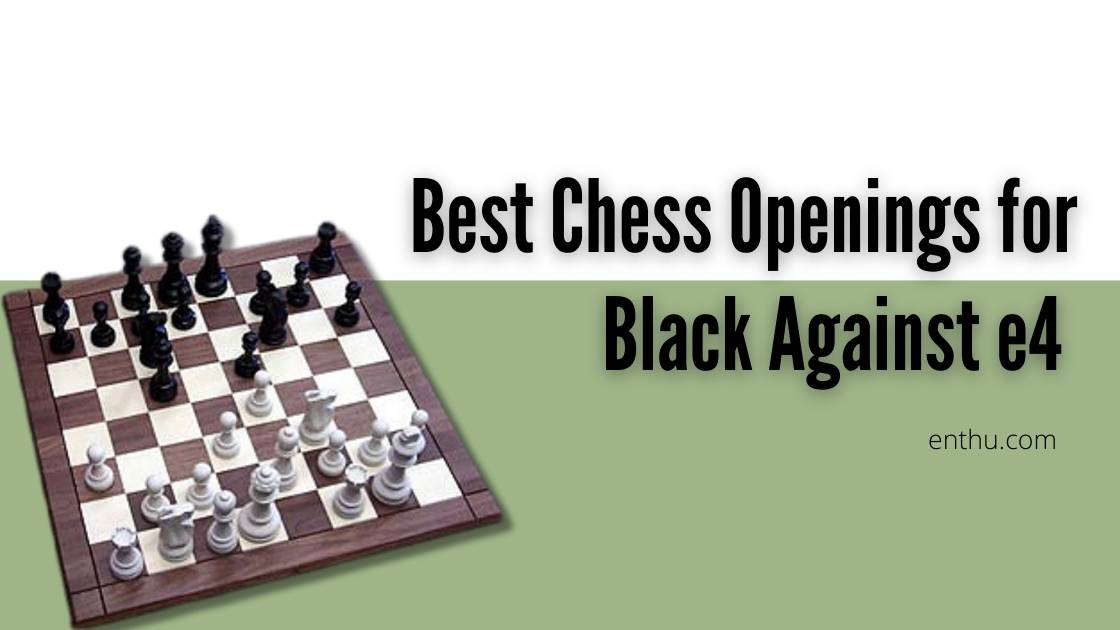
Defensive chess openings try to fortify the player's position when getting yourself ready for potential attacks from your opponent. As opposed to aggressive openings, which often often prioritize fast development and aggressive pawn structures, protective openings prioritize solid design and flexibility. Simply by establishing a strong foundation, players may withstand early approaches and transition directly into favorable middle in addition to endgame positions.
Important Principles:
1. Solidity: Defensive openings prioritize solid pawn buildings and piece location to face up to attacks plus maintain positional ethics.
2. Flexibility: Sustaining flexibility allows participants to adjust to various opponent strategies in addition to transition between defensive and offensive have fun as needed.
three or more. https://amsterdamchessacademy.com/ of the Center: Control over main squares is important in defensive availabilities, as it provides a strong foothold and even limits the adversary's mobility.
4. Enhancement with Caution: While development is essential, defensive openings suggest cautious development to be able to avoid exposing weak points or falling in to traps.
Popular Shielding Openings:
1 ) The particular Sicilian Defense: Acknowledged for its versatility and counterattacking prospective, the Sicilian Security allows Black to challenge White's central control while maintaining a solid position.
2. The Caro-Kann Security: Seen as its solid pawn structure and focus on piece development, typically the Caro-Kann Defense offers a sturdy foundation regarding Black's position.
three or more. The Petrov Protection: Also known as the Russian Security, the Petrov Security focuses on neutralizing White's early threats and aiming with regard to a well-balanced position.
some. French Defense: Using its solid pawn structure and concentration on counterattacking the middle, the French Security offers Black adequate defensive resources while setting the stage for dynamic enjoy.
Tactical Nuances:
one. Counterattacks: Defensive spaces often provide options for counterattacks, using opponent's overextension or even weaknesses in their very own position.
2 . not Pawn Breaks: Timely pawn breaks can disturb the opponent's pawn structure and create trickery opportunities, turning the particular tide in support of the defending side.
three or more. Piece Maneuvering: Strategic placement and maneuvering of pieces are usually essential in defensive openings, allowing participants to reposition defensively or launch important attacks.
Mastering preventive chess openings is crucial for players trying to enhance their tactical prowess and strength on the board. By simply understanding the principles, essential variations, and tactical nuances of defensive openings, players may fortify their postures, thwart opponent problems, and seize the particular initiative when chances arise. Whether going through aggressive adversaries or perhaps navigating complex positional struggles, a sturdy foundation in preventive openings empowers gamers to navigate typically the intricacies of mentally stimulating games with confidence and precision.